

Groaning and Travail: A Scriptural and Practical Exposition. There are seasons in a believer’s walk with God when prayer goes beyond vocabulary.
Words fail, sentences break down, and what remains is an intense inner pressure—an unexplainable burden seeking expression.
The Bible calls this groaning and travail.
In truth, groaning and travail are not emotional excesses, psychological strain, or even religious theatrics.
They are deep spiritual responses to divine activity—God initiating birth processes in the spirit realm and inviting human cooperation.
Our generation prefers convenience over consecration, and comfort over crucifixion, that’s why groaning and travail remain misunderstood and even avoided.
Yet Scripture reveals that nothing of lasting spiritual value is birthed without travail and deep one at that.
From creation to redemption, from prophets to apostles, from Christ Himself to the Church, groaning and travail are woven into God’s redemptive pattern.
Defining Groaning and Travail Biblically

Across the pages of Scripture and throughout church history, God always advances His purposes through believers who were willing to enter into seasons of deep spiritual groaning and travail.
However, these experiences are frequently misunderstood, sometimes dismissed as emotional excess, and other times feared because of their intensity.
Yet the Bible presents groaning and travail not as strange phenomena, but as sacred spiritual processes through which God births His will in the earth.
The Greek word used for “groanings” in Romans 8:26 is stenagmos, which implies inward sighs, deep emotional pressure, and intense spiritual yearning.
These groanings are not mere emotions; they are spiritual communications that bypass human vocabulary.
In an age where Christianity is often reduced to comfort, convenience, or even quick results, the subject of groaning and travail calls believers back to depth, endurance, and alignment with the Spirit of God.
Consequently, groaning and travail are not activities of spiritual laziness or fanaticism; they are evidence of partnership with God in the invisible realm.
It is an inward spiritual expression of God’s burden, longing, or intercessory pressure that cannot be adequately articulated with words.
That’s why the scripture speaking in Romans 8:26 says “Likewise the Spirit also helpeth our infirmities:
for we know not what we should pray for as we ought: but the Spirit itself maketh intercession for us with groanings which cannot be uttered.”
Defining Groaning and Travail Biblically
No matter what we think or say, groaning is not learned; rather it is provoked by the Holy Spirit.
Come to think of it, how do one bend in intense prayers, sighs and deep pain and you think it’s theatrics or fun fare.
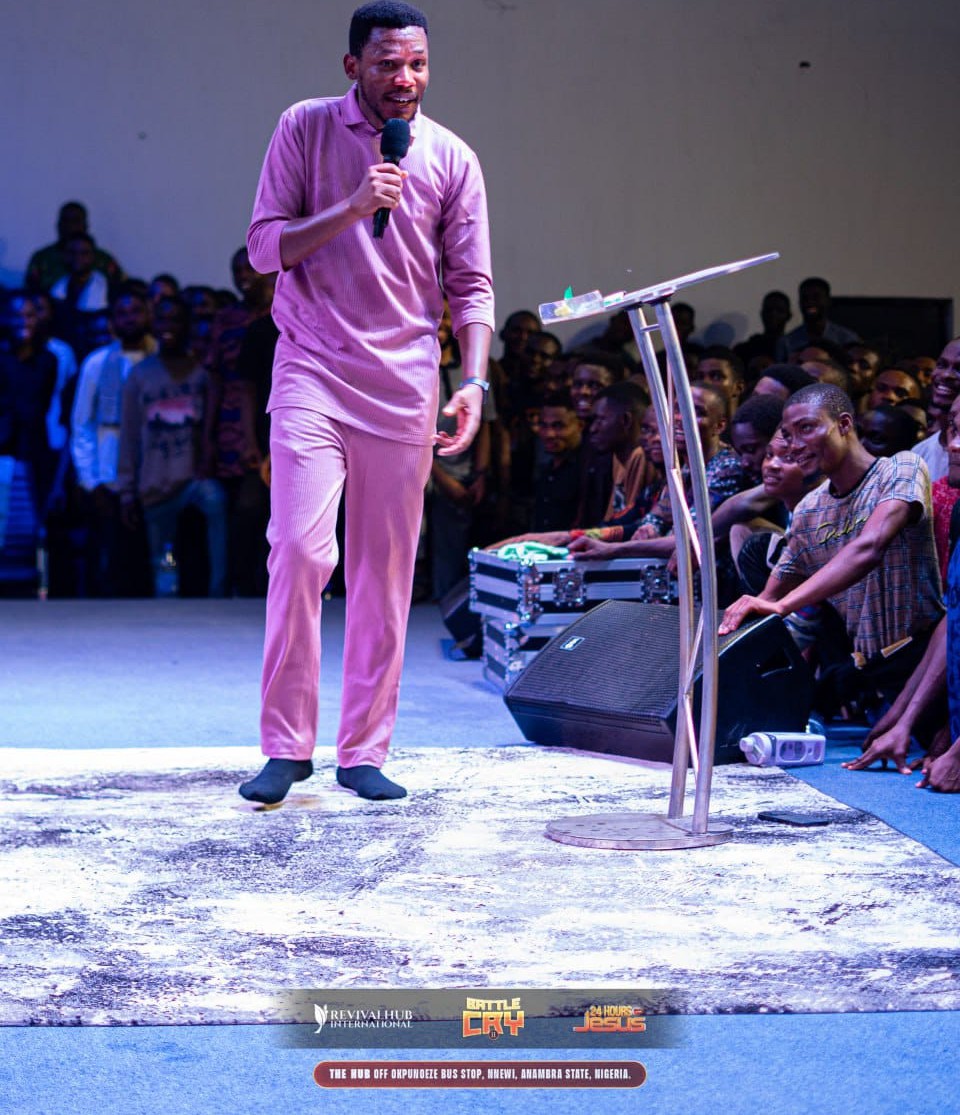
Even the physical body of the one groaning and travailing takes the form and angulation the Spirit deems fit!
So that His purposes will not be aborted, does a travailing woman care about her physical disposition let alone try to maintain her delicate balance
Something is about to be birthed and her concern is that and if it means bending in deep agony or taking a posture engineered by the Spirit, then so be it.
Groaning and Travail: A Scriptural and Practical Exposition
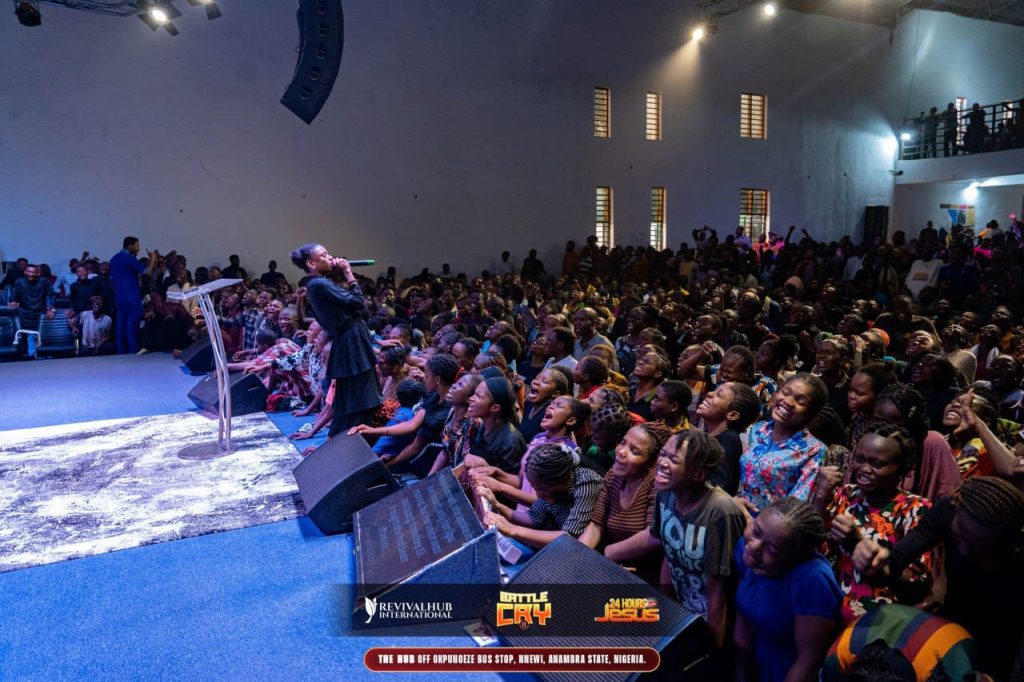
This spiritual reality mirrors the labor pains of childbirth—intense, purposeful, and leading to the release of life.
The scripture in Romans 8:22 captures it better when it says “For we know that the whole creation groaneth and travaileth in pain together until now.”
Travail carries the idea of sustained spiritual labor until a divine objective is accomplished.
It is not momentary discomfort but prolonged engagement with God until there is spiritual release….
That’s why, it often emerges when God places a matter beyond human language upon a believer’s spirit.
If we trace back to the beginning, we will see that this spiritual reality predates the fall of man.
Furthernore, the Bible shows us that creation itself participates in groaning.
“For we know that the whole creation groaneth and travaileth in pain together until now.”— Romans 8:22
This tells us something profound: groaning is a response to misalignment, and travail is the pathway to restoration.
Wherever there is distortion, delay, bondage, or incompleteness, groaning emerges as a divine signal that change is imminent.
Therefore, when believers experience groaning, it is often because the Spirit is responding to something that has not yet come into alignment—whether in personal growth, corporate revival, or territorial transformation.
Groaning Is Not Weakness—It Is Spiritual Sensitivity
Groaning and Travail: A Scriptural and Practical Exposition. Many times, some people assume groaning indicates spiritual exhaustion or emotional overload.
But the Scripture teaches the opposite.
Groaning is evidence of: Spiritual alignment, participation in divine counsel and sensitivity to God’s burden.
“Surely the Lord GOD will do nothing, but he revealeth his secret unto his servants the prophets.”— Amos 3:7
Hence, God releases burdens to those He trusts and groaning indeed is the language of divine confidence—God entrusting a believer with what He intends to do.
Let’s even take a loook at Jesus’ ministry and we all know that Jesus is our patterned man.
From all indications, His ministry was not marked only by miracles and teachings but also by intense inner pressure.
The scripture in Luke 12:50 captures it expressly when it said “I have a baptism to be baptized with; and how am I straitened till it be accomplished!”
Taking a look at the word straitened, it means compressed, constrained, or under pressure.
It is clearly obvious that Jesus lived under the weight of divine assignment until it was fulfilled at the cross.
In fact, Gethsemane was the ultimate place of travail: “And being in an agony he prayed more earnestly: and his sweat was as it were great drops of blood falling down to the ground.” Luke 22:44
Hence, the victory of the cross was first won in the travail of prayer
Travail: The Price of Spiritual Birth
Indeed, every true spiritual birth requires travail.
“As soon as Zion travailed, she brought forth her children.”— Isaiah 66:8
No travail, no birth. No birth, no manifestation.
As a few might think, Travail is not punishment; it is participation.
God could act sovereignly if He wanted, but He choose to partner with humanity in birthing His purposes.
The book of Acts reveals a church birthed in prayer and sustained by travail.
The book of Acts 1:14 captures this when it said “These all continued with one accord in prayer and supplication.”
That’s why, we are persuaded that Pentecost did not happen casually.
It was preceded by days of unified spiritual pressure.
Also, it is worthy of note that before the cross, there was travail. Before resurrection, there was groaning.
This establishes a divine pattern: what is settled in prayer is manifested in power.
The Role of the Holy Spirit in Groaning: Groaning and Travail: A Scriptural and Practical Exposition
Of a truth Groaning is not human effort—it is Holy Spirit-enabled intercession.
“The Spirit itself maketh intercession for us…”— Romans 8:26
That’s why it is the Spirit that initiates the groaning, the believer yields the vessel and The Father understands the language!
Buttressing this, the Bible says in Romans 8:27 “And he that searcheth the hearts knoweth what is the mind of the Spirit.”
Hence, groaning bypasses our intellect and enters divine communication.
Part of what groanings does it to align human will with divine will.
That’s why when rightly stewarded, groaning produces:
- Deeper intimacy with God
- Spiritual authority
- Breakthrough and deliverance
- Clarity of assignment
- Prophetic accuracy
- Lasting fruit
- Revival and transformation…..
But there is also another heartbreaking part which is the danger of avoiding travail.
When believers avoid travail:
- Spiritual births are delayed or aborted
- Callings remain dormant
- Territories remain bound
- Generations suffer lack…….
“Woe unto them that are at ease in Zion.”— Amos 6:1
Ease may feel comfortable, but travail produces fruit.
That’s why, the end-time Church is the one marked by depth and not noise.
Because the truth is that what we will not birth in prayer, we cannot steward in power.
Conclusion
Groaning and Travail: A Scriptural and Practical Exposition. Groaning and travail are sacred!
They are the womb where God hides His greatest works before revealing them.
In understanding and embracing this dimension of spiritual life, believers are equipped to move beyond surface Christianity into deep, transformative partnership with God.
We remain yielded. We remain faithful. And we remain on the mat.
Because what is conceived in the Spirit will surely be revealed in the earth.
You can check the article the power of gratitude
